
level 15
nice女武神
楼主
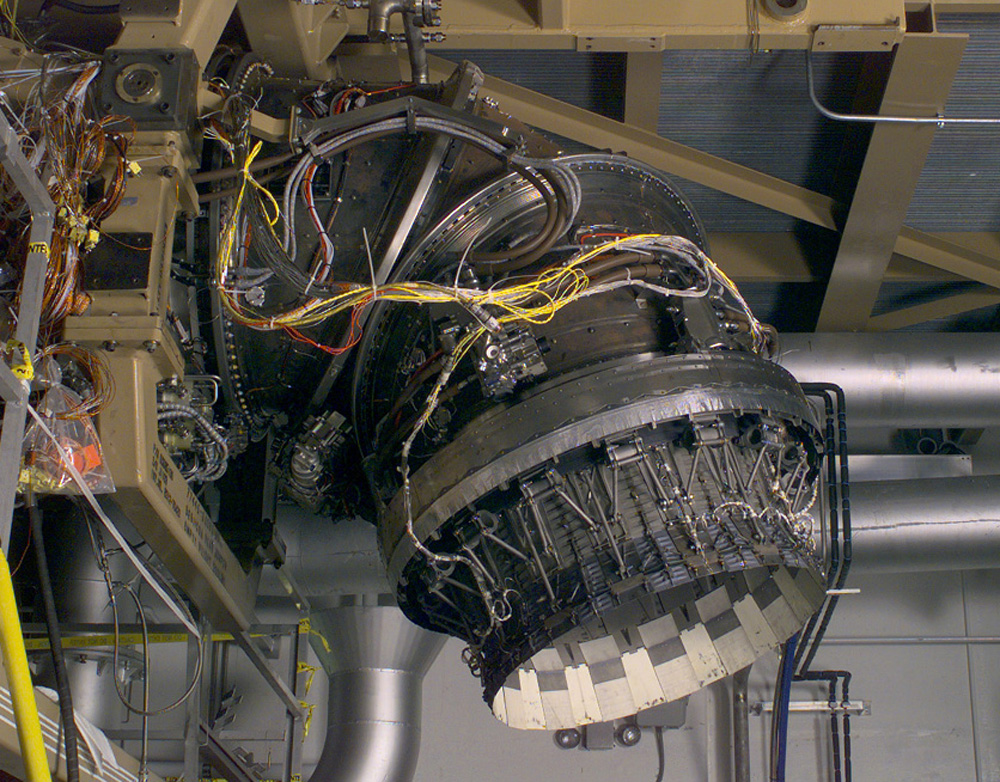
《History Of The F-35B Swivel Duct》
http://www.codeonemagazine.com/article.html?item_id=137
讲述F-35B上用的3轴承转向喷管3BSD的技术来源
简单的概述:
美国的3BSD研发最早是1960年代北约VTOL战斗机研发大热潮时期
当时就有P&W ,GE, 甚至是Boeing这种飞机长都有自己研制的多种3BSD方案及其专利(PS:RR当时也有)
1960年代末期P&W为海军的制海舰载机方案康维尔(也就是后来的GD)Model 200正式提供3BSD方案,1967年在JT8D上开始测试3BSD。
1993年Lockheed吃下GD
1994年Lockheed的ASTOVL(JAST)采用的SERN喷管不怎么样,于是他们问GD的人拿出了Model 200 的设计并且开始研制在ASTVOL上使用3BSD
1995年10月 由于效果良好 Lockeheed的JAST正式采用3BSD设计
然后就是X-35到F-35B了。
有关Yak的部分,千言万语一句话:老子比你早20年呢。
Russian Swivel Nozzle DesignsA great deal of misinformation has appeared on the Internet regarding the relationship of the Soviet Yak-41 (later Yak-141), NATO reporting name Freestyle, to the X-35 and the rest of the JSF program. The Pratt & Whitney 3BSD nozzle design predates the Russian work. In fact the 3BSD was tested with a real engine almost twenty years before the first flight of the Yak.Throughout the 1970s and 1980s, the Soviet Navy wanted a supersonic STOVL fighter to operate from its ski jump equipped carriers. At what point the Yakovlev Design Bureau became aware of the multi-swivel nozzle design is not known, but the Soyuz engine company created its own variant of it. The Yak-41 version of the nozzle, from published pictures, appears to be a three-bearing swivel duct with a significant offset “kink.” The Yak-141 also used two RKBM RD-41 lift engines – an almost identical arrangement to the Convair Model 200 design. The aircraft was also re-labeled as a Yak-141 to imply a production version, but no order for follow-on series came from the Russian Navy.The Yak-141 was flown at the Paris Airshow in 1991. The flight displays of the Yak were suspended when the heat from the lift engines started to dislodge asphalt from the tarmac. At the 1992 Farnborough show, the Yak was limited to conventional takeoffs and landings with hovers performed 500 feet above the runway to avoid a repeat performance of asphalt damage. But the Yak-141 does deserve credit for being the first jet fighter to fly with a three-bearing swivel nozzle – twenty-five years after it was first designed in the United States.During the early days of the JAST effort, Lockheed (accompanied by US government officials from the JAST program office) visited the Yakovlev Design Bureau along with several other suppliers of aviation equipment (notably also the Zvezda K-36 ejection seat) to examine the Yakovlev technologies and designs.Yakovlev was looking for money to keep its VTOL program alive, not having received any orders for a production version of the Yak-141. Lockheed provided a small amount of funding in return for obtaining performance data and limited design data on the Yak-141. US government personnel were allowed to examine the aircraft. However, the 3BSN design was already in place on the X-35 before these visits.The 3BSD was invented in America in the 1960s, proposed by Convair to the US Navy in the 1970s, first flown by the Russians in the late 1980s, re-engineered from the 1960 Pratt & Whitney design for the X-35 in the 1990s, and put into production for the F-35 in the 2000s. Sometimes a good idea has to wait for the right application and set of circumstances to come along. One moral of this story is not to throw out good work done in the past. It just might be needed later on.


2014年06月14日 15点06分
1
http://www.codeonemagazine.com/article.html?item_id=137
讲述F-35B上用的3轴承转向喷管3BSD的技术来源
简单的概述:
美国的3BSD研发最早是1960年代北约VTOL战斗机研发大热潮时期
当时就有P&W ,GE, 甚至是Boeing这种飞机长都有自己研制的多种3BSD方案及其专利(PS:RR当时也有)
1960年代末期P&W为海军的制海舰载机方案康维尔(也就是后来的GD)Model 200正式提供3BSD方案,1967年在JT8D上开始测试3BSD。
1993年Lockheed吃下GD
1994年Lockheed的ASTOVL(JAST)采用的SERN喷管不怎么样,于是他们问GD的人拿出了Model 200 的设计并且开始研制在ASTVOL上使用3BSD
1995年10月 由于效果良好 Lockeheed的JAST正式采用3BSD设计
然后就是X-35到F-35B了。
有关Yak的部分,千言万语一句话:老子比你早20年呢。
Russian Swivel Nozzle DesignsA great deal of misinformation has appeared on the Internet regarding the relationship of the Soviet Yak-41 (later Yak-141), NATO reporting name Freestyle, to the X-35 and the rest of the JSF program. The Pratt & Whitney 3BSD nozzle design predates the Russian work. In fact the 3BSD was tested with a real engine almost twenty years before the first flight of the Yak.Throughout the 1970s and 1980s, the Soviet Navy wanted a supersonic STOVL fighter to operate from its ski jump equipped carriers. At what point the Yakovlev Design Bureau became aware of the multi-swivel nozzle design is not known, but the Soyuz engine company created its own variant of it. The Yak-41 version of the nozzle, from published pictures, appears to be a three-bearing swivel duct with a significant offset “kink.” The Yak-141 also used two RKBM RD-41 lift engines – an almost identical arrangement to the Convair Model 200 design. The aircraft was also re-labeled as a Yak-141 to imply a production version, but no order for follow-on series came from the Russian Navy.The Yak-141 was flown at the Paris Airshow in 1991. The flight displays of the Yak were suspended when the heat from the lift engines started to dislodge asphalt from the tarmac. At the 1992 Farnborough show, the Yak was limited to conventional takeoffs and landings with hovers performed 500 feet above the runway to avoid a repeat performance of asphalt damage. But the Yak-141 does deserve credit for being the first jet fighter to fly with a three-bearing swivel nozzle – twenty-five years after it was first designed in the United States.During the early days of the JAST effort, Lockheed (accompanied by US government officials from the JAST program office) visited the Yakovlev Design Bureau along with several other suppliers of aviation equipment (notably also the Zvezda K-36 ejection seat) to examine the Yakovlev technologies and designs.Yakovlev was looking for money to keep its VTOL program alive, not having received any orders for a production version of the Yak-141. Lockheed provided a small amount of funding in return for obtaining performance data and limited design data on the Yak-141. US government personnel were allowed to examine the aircraft. However, the 3BSN design was already in place on the X-35 before these visits.The 3BSD was invented in America in the 1960s, proposed by Convair to the US Navy in the 1970s, first flown by the Russians in the late 1980s, re-engineered from the 1960 Pratt & Whitney design for the X-35 in the 1990s, and put into production for the F-35 in the 2000s. Sometimes a good idea has to wait for the right application and set of circumstances to come along. One moral of this story is not to throw out good work done in the past. It just might be needed later on.