【资料】Toby编年大事记
tobystephens吧
全部回复
仅看楼主
level 12
Toby国外粉丝汇编的自Toby入行以来历年资料的合集,我想这是了解他最可靠最详实的资料吧,这套资料仍然在编辑之中,发布在Tumblr上。去年论坛里的小潜艇兵童鞋翻译了几个年段的内容,大部分还都没有翻,本来我也无精力做这件事,但是实在地说百度新出了吧主规章,若吧主不积极建设贴吧的话会被取消吧主资格,若是别的吧也就算了,无奈此吧是自己一手打造,一时若放弃的话还舍不得,为了保住这个吧主头衔,我也不得不积极一些,所以就把这套资料拿来估且算充数吧。这是消极的说法,积极的说法是,我想无论是小潜艇兵童鞋还是我自己都还是很想翻译这套资料的,让后来到吧里和论坛里的朋友能读到一些可靠的内容吧。一直以来我也为自己多年前编撰的Toby百度词条感到遗憾,当年手里掌握的资料较少,冒失地写了那条词条,有些内容和Toby实际的情况并不完全相符,因此有这样一套资料在,能够纠正我之前在百度词条里的不经推敲之处吧,这是另一点想法。
小潜艇兵童鞋本来是要坚持完成这套翻译工作的,因为之上的目的我算是抢过来做了,小潜艇兵童鞋若是见到的话莫要见怪,在此说声抱歉。之前小潜艇兵童鞋翻译的内容我也会转发过来,翻译者我会标清楚。
2013年03月11日 00点03分 1
level 12
1994年以前的资料皆为小潜艇兵童鞋翻译,我从论坛直接转到这里来。之后的翻译会不定期更新,时间上会慢一些,只能拣有时间的时候做,请心急的朋友莫要催促。
2013年03月11日 03点03分 2
level 12

Toby粉丝在Tumblr上建的帐号这样介绍他:
Toby Stephens is one of our greatest actors. Son of Dame Maggie Smith & Sir Robert Stephens, and graduate of LAMDA, Toby began his career as a Stagehand at Chichester Festival Theatre and went on to win the Sir John Gielgud Prize for Best Actor and the Ian Charleson Award for his performance in the title role of 'Coriolanus'.
With an illustrious stage career, we followers are often infuriated by the press insistence in referring to him as a Bond Villain. To many of us however he proved to be the definitive Rochester.
"Some men are into Hollywood glamor stuff and some are not."
中文(翻译:小潜艇兵):
托比·斯蒂芬斯是我们最伟大的演员之一。他是玛吉·史密斯女爵和罗伯特·斯蒂芬斯爵士的儿子,毕业于伦敦音乐戏剧艺术学院。
托比是在奇切斯特节日剧院(Chichester Festival Theatre)作为一名舞台管理开始自己的职业生涯的。之后他凭借在莎剧《科里奥兰纳斯》对科里奥兰纳斯的精彩演绎获得了约翰吉尔古德爵士奖(Sir John Gielgud Prize)最佳男主角和伊恩·查尔森奖(Ian Charleson Award)最佳男主角两个奖项。
他有着如此辉煌的舞台生涯,所以我们这些影迷经常会因为媒体总是说他是007电影里的坏蛋而感到愤怒。对于我们中的大多数来说,他是独一无二的罗切斯特。
“有些人痴迷于好莱坞的魅力,而有些人不会。”("Some men are into Hollywood glamor stuff and some are not.")
2013年03月11日 03点03分 3
level 12

补充资料:
文中提到的《伪君子》的主演John Sessions,出生于1953年1月11日苏格兰的拉各斯,正剧兼喜剧演员,在电影电视和舞台剧中塑造了各种各样的角色。他在1998年和某托一起出演过《贝蒂表妹》,从作品表来看,至今在影视界都很活跃,在2011年的电影《铁娘子》中他扮演爱德华·希思爵士。
2013年03月11日 03点03分 5
level 12

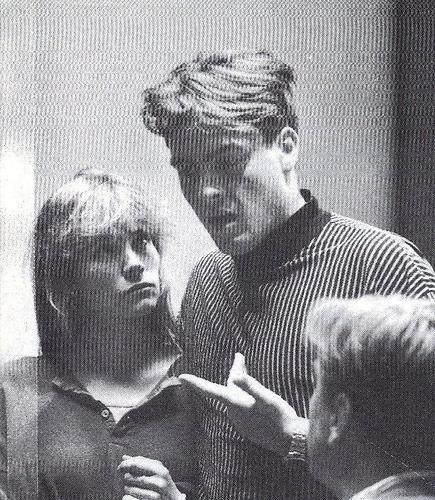
原文配图:
配图是介绍在《伪君子》中扮演大儿子达米斯的Toby(图片应为节目册或报章杂志的扫描件),相当于当时他的一份小简历吧(中文翻译:黑眉下的绿眼睛):
Toby Stephens 扮演达米斯
1991年7月毕业于LAMDA(伦敦音乐与戏剧学院),在那里他获得了莎士比亚奖,在校期间他演过的角色包括:《安东尼与克里奥佩特拉》,《两面派》(The Double Dealer,作者:威廉·康格里夫William Congreve)中的Lord Touchwood,在《克瑞翁》中扮演克瑞翁,在《三姐妹》(作者:契诃夫)中扮演维尔希宁,《驯悍记》中扮演彼特鲁乔。
电视剧:《甘菊草地》是Ken Taylor根据Mary Wesley的同名小说改编的电视剧,导演是Peter Hall,明年(1992年)将到第四频道播出。
2013年03月11日 04点03分 6
level 12

[太阳] 1992: Tamburlaine the Great
1992 : Toby appeared in the RSC Production of Tamburlaine by Christopher Marlowe which was first performed at the Swan Theatre on August 13, 1992.
Directed by Terry Hands, it starred Antony Sher as Tamburlaine, with Toby playing the role of Celebinus.
A review in Plays & Players concluded “Tamburlaine, with all its baroque language, is so narrowly Elizabethan that its very best chance of surviving an audience’s attention is to concentrate on showing that it is what it is. Never did this production stop still so that we could try to gain a fair idea of what was going on in Marlowe’s mind.”
2013年03月11日 10点03分 9
level 12

[太开心]中文(小潜艇兵翻译):
1992:帖木儿大帝
1992年托比参演了由皇家莎士比亚剧团演出的克里斯托弗·马洛的著作《帖木儿大帝》,该剧于1992年8月13日第一次在天鹅剧院(the Swan Theatre)上演。
该剧由Terry Hands执导,安东尼·舍尔(Antony Sher)扮演帖木儿,托比扮演Celebinus。
Plays & Players上的一篇评论总结说,“《帖木儿》的巴洛克式的语言带有很明显的伊丽莎白时代特征,所以它最好的吸引观众注意力的办法就是专注于表现这一本质特征。这种演出永远都不要停止,直到我们能够对马洛脑中所想的内容有一个公正的看法。”
2013年03月11日 10点03分 10
level 12

[彩虹] 补充资料:
《贴木儿大帝》演员表:
The production starred: Lloyd Hutchinson, David Westhead, Jasper Britton, Jack Klaff, James Connolly, Nick Kemp, Antony Bunsee, Jonathan Cake, Andree Evans, Antony
Sher, Claire Benedict, Geoffrey Freshwater, Gordon Case, Malcolm Storry,
Toby Stephens, Darlene Johnson, Tracy-Ann Oberman, Sophie Okonedo, Trevor Martin, Stephen Casey, Francesca Storry, Hannah Curran, Vivienne Storry, Stacey Murton, Jasper Britton, Bella Enahoro, Barry Farrimond, Tom Horton and Emily Watson.
演员表中最为熟悉的大概是Emily Watson了,英国实力派女演员,主演过《破浪》等。
而贴木儿大帝的扮演者是资深演员Antony Sher,参演过《莎翁情史》和《布朗夫人》,被英女王封为爵士,是位KBE(第二等的大英帝国最高勋爵——小潜艇兵注)。
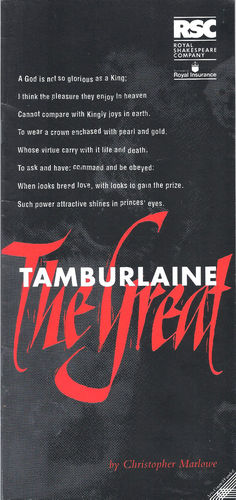
《贴木儿大帝》节日册封面:
2013年03月11日 10点03分 11
level 1
感谢楼主的坚持。
2013年03月20日 01点03分 12
厚厚,这几日忙一直没更,也谢谢各位支持。
2013年03月21日 12点03分
level 12

[太阳]1992 : Anthony & Cleopatra
First performed at the Royal Shakespeare Theatre in Stratford upon Avon on 29 Oct 1992, and transferred to the Barbican in London fon 26 May 1993.
Opening to mixed reviews, a report in the Tribute on 20 November 1992 said “at three and half hours, it is too long by about three and a quarter hours”. Toby had a minor role as Pompey - a part which he himself described as having “re-imagined as a long haired seafaring braggart “.
Michael Coveny for the Observer on 9 November 1992 reported “There are inventive felicities: Sue Blain’s mock Hollywood design of sliding walls and buttresses reveals Pompey (Toby Stephens) billowing into action on a huge black sail”
Paul Taylor in the Independent on 7 November 1992 gave brief but significant mention of Toby: “We encounter Toby Stephens’ striking Pompey”
On 6th November 1992, the Evening Standard: referred to Toby’s portrayal as, “Toby Stephens’ threatening Pompey”, and on the same day, the Daily Mail reported “Toby Stephens delivers an imposingly poetic Pompey”
Final word goes to the Daily Express : “There are fine performances from John Nettles as Antony’s puritanical adversary Octavius Caesar, Claire Benedict as worldly wise Charmian and Toby Stephens’ proud young Pompey”
2013年03月23日 11点03分 13
level 12

[太阳]1992 : All’s Well that ends Well
All’s Well that Ends Well, directed by Sir Peter Hall, was first performed at the Swan, Stratford upon Avon, on 24 June 1992, transferring on 12 October 1993 to the Barbican Pit, London EC2.
A selection of some of the reviews from both the Swan and the Barbican.
Malcolm Rutherford for the Financial Times on 2 July 1992, says “The only common view about All’s Well that Ends Well is that it is not Shakespeare’s best play. It lacks both a central character and an identifiable central theme and although it cannot be categorised as anything other than a comedy, it is not very funny. Having some fondness for the piece, my own view has been that the best way to approach it is to play up the part of Helena, the woman who cures the King of France of his near-fatal illness, and is allowed to pick the husband of her choice (Bertram) as a reward only to find that he rejects her and goes off to the wars. She catches up with him in the end by conceiving his child while he thinks he is in bed with another woman.
Bertram is an impossible part to play convincingly and it is a tribute to Toby Stephens (as it is to Hall’s direction) that he gets better as the play goes on. As his mother, Barbara Jefford is impeccable throughout.”
2013年04月09日 11点04分 15
level 12

Paul Taylor, for the Independent on 2 July 1992, writes, “Arrogant nostrils flaring, Stephens presents you at first with a callow cavalier, who causes the odd wince of compassion as he tries to hide his youthful insecurities behind a front of haughty heartlessness. And it’s Stephens’s scalded human desperation, not his wriggling deviousness, that makes the bigger impact as his sins come home to roost in the final scene, where he ends up a head-hanging penitent wreck”.
Irving Wardle for the Independent, on 5 July 1992 says: ”I do not see why Bertram (Toby Stephens) should still be played as a snobbish, mean-spirited brat simply for resisting marriage to a girl he happened not to fancy. ”
Maureen Paton for the Daily Express, 0n 6 July 1992 writes, ” Never was there a more ungallant swine than Bertram, the surly young Count of Rossillion. Director Peter Hall is reunited at Stratford with his Camomle Lawn stars Richard Johnson and Toby Stephens for an elegiac, strongly-cast production of luxuriant details. Stephens, distinctive son of Maggie Smith & Robert Stephens, gives the callow Bertram a real potential for change.”
Of Toby’s Bertam, Benedict Nightingale of the Times writes on 2 July 1992, “not the usual emotional firebrand, but a supercilious, pouting cub, as lacking in charm as maturity.”
Charles Spencer for the Daily Telegraph believed Toby “could surely make more of Bertram’s nastiness”; whilst the Sunday Telegraph,reported on 5 July 1992 that “Toby Stephens plays Bertram as a broodingly arrogant spiled brat, incapable of feeling. It is an intelligent, controlled perfromance which fails only at the death, when his conversion seems absurdly abrupt.”
Robert Hewison writes in the Sunday Times on 5 July 1992: ‘As the aristocratic Bertram, Toby Stephens begins as a callow youth and ends that way, whereas he should have sexual charisma’
2013年04月09日 11点04分 16
level 12

Michael Coveney for the Observer, 5 July 1992 says ”Toby Stephens makes of Bertram an emotionally clenched and shifty cry baby finally saved by Helena. “
Michael Billington for the Guardian, 3 July 1992 : ‘Toby Stephens’s Bertram, while rightly highlingting the character’s shifty snobbery, needs to show the vital spark that attracts Helena in the first place’.
David Nathan for the Jewish Chronicle, 10 July 1992 writes : ‘Toby Stephens makes Bertram an immature and unpleasant snob.’
On it’s transfer to the Pit, the London Evening Standard reports in October 1993, that
“As Bertram, Toby Stephens exhibits the preened, smirking hauteur that makes one wonder what Helena sees in the git, until a resolution at which he appears both sincerely repentant and grimacing in humiliation.”
And for the International Herald Tribune, Sheridan Morley writes on November 3rd 1993
“In the Barbican Pit, the production that brings Peter Hall back to the RSC after 20 years is a mournful “All’s Well That Ends Well” that, is inclined to celebrate the play’s difficulties rather than attempt any disguise of its manifold imperfections.
A powerful cast (Richard Johnson as the ailing King, Barbara Jefford as the Countess, Toby Stephens and Sophie Thompson as the ill-matched lovers) comes up with a clear, cool, classically Caroline staging that desperately lacks the poetry and the pity of the definitive Trevor Nunn-Peggy Ashcroft version of a decade ago while still commanding respect: one for the head rather than the heart.
Both Thompson and Stephens suggest the callow nature of their youths, but it is left to Johnson to bring in a kind of weary, wrecked majesty in yet another reminder of the splendidly verse-confident Shakespearean we somehow lost to the movies and television back in the 1960s.”
2013年04月09日 12点04分 17
level 12

[太开心]中文(小潜艇兵翻译):
1992:终成眷属
由彼得·霍尔导演的莎剧《终成眷属》于1992年6月24日第一次在位于亚芬河畔斯特拉特福的天鹅剧院上演,并于1993年10月12日转到了位于伦敦的巴比肯剧院演出。
以下是一些来自天鹅剧院和巴比肯剧院的评论精选。
马尔科姆·卢瑟福在1992年7月2日的《金融时代》上说:“人们对《终成眷属》达成的唯一共识是它不是莎士比亚最好的剧本。它既缺少一个中心人物,又缺少一个明确的中心主题,尽管它是一部喜剧,但是它并不好笑。(好悲催……= =)要说我个人对这部剧喜爱的地方,那就是它将海丽娜(Helena)的部分变得更重要了——海丽娜这个女人治好了法国国王的近乎致命的病,然后国王奖赏她可以由她自己来选择丈夫(勃特拉姆Bertram),可是勃特拉姆拒绝了她去参战了。最后她通过怀上了他的孩子追到了他,但是他认为他正在和另一个女人躺在床上。
想把勃特拉姆演得令人信服是不可能完成的任务,随着剧情的发展托比·斯蒂芬斯(在霍尔的指导下)越演越好还是挺不容易的。而他的(戏中)妈妈Barbara Jefford从头到尾都无可指摘。”
保罗·泰勒在1992年7月2日的《独立报》上写道:“自大的鼻孔在冒火,斯蒂芬斯一开始呈现给了观众一个乳臭未干的骑士(or护花使者)形象,当他试图把他青春的不安全感隐藏在表面的傲慢无情背后的时候,他的同情心奇怪地退缩了。是斯蒂芬斯沸腾的绝望,而不是他的扭曲的不坦率对他在最后一幕带着罪孽回家安歇、用上吊的忏悔方式结束自己的生命产生了更大的影响。”
《独立报》的欧文•沃德尔在1992年7月5日说:“我不明白为什么仅仅为了拒绝和一个他从来都没喜欢过的女孩结婚,勃特拉姆(托比•斯蒂芬斯饰)就被演成一个势利眼、心胸狭窄的孩子。”(这个不是夸他,我确定

《每日快报》的莫琳·佩顿在1992年7月6日写到:“没有比勃特拉姆,这个坏脾气的年轻的罗西昂伯爵(Count of Rossillion)更下流的坏蛋了。导演彼得·霍尔在斯特拉特福把他在《甘菊草地》中的爱将理查德·约翰逊和托比·斯蒂芬斯重聚到一起,用华丽的细节来完成一部挽歌体的、阵容强大的作品。斯蒂芬斯,玛吉·史密斯和罗伯特·斯蒂芬斯的出众的儿子,给了乳臭未干的勃特拉姆一个改变的可能。”
对于托比饰演的勃特拉姆,《泰晤士报》的本尼迪克特·南丁格尔在1992年7月2日写到:“(他)不是常规的情绪煽动者,而是傲慢的、不高兴的年轻人,缺少成熟的魅力。”
《每日电讯报》的查尔斯·斯宾塞认为托比“肯定能把勃特拉姆演得更龌龊一点”;(我勒个去!= =)《星期日电讯报》在1992年7月5日报道说“托比·斯蒂芬斯把勃特拉姆演成了一个深沉傲慢的被宠坏了的无情小子。这是一次聪明的、克制的表演,只在死的时候转变得太突然了,有些失败。”
罗伯特·休伊森在1992年7月5日的《星期日泰晤士报》上写道:“在扮演有贵族气派的勃特拉姆的时候,托比·斯蒂芬斯从头至尾都是个乳臭未干的年轻人的样子,但他其实应该有点性感魅力的。”
《观察家报》的迈克尔·科文尼在1992年7月5日说:“托比·斯蒂芬斯让勃特拉姆成了一个情绪收紧的、诡诈的、最终被海丽娜拯救的哭宝宝。”(KAO!这话也太损了吧?)
《卫报》的迈克尔·比林顿在1992年7月3日写到:“托比·斯蒂芬斯的勃特拉姆,尽管恰当地着重强调了角色的诡诈势利眼,但还需要首先表现出能吸引海丽娜的活力。”
《犹太纪事报》的大卫·内森在1992年7月10日写到:“托比·斯蒂芬斯把勃特拉姆演成了一个不成熟而且惹人厌的势利小人。”
当转场到巴比肯剧院后,伦敦《标准晚报》在1993年10月报道说:
“托比·斯蒂芬斯扮演的勃特拉姆展现出的自我欣赏、爱自鸣得意傻笑的傲慢让人们好奇海丽娜看上了他什么,直到出现了他真心为耻辱感到悔恨和痛苦的结果。”
《国际先驱论坛报》的谢里登·莫利在1993年11月3日写到:
“在巴比肯剧院,这部将彼得·霍尔在20年后带回皇家莎士比亚剧团的作品是令人悲伤的《终成眷属》,这部戏更倾向于展示剧本的难度而不是试图掩盖它多方面的缺陷。
(这部戏)演员阵容强大(理查德·约翰逊饰演生病的国王,Barbara Jefford饰演伯爵夫人,托比·斯蒂芬斯和苏菲·汤普森饰演这对不搭的情侣),采用易于理解的、冷静的、古典卡罗琳时期(英格兰和苏格兰历史上的一个时期(1625-1649),是斯图尔特时期(1603-1714)的一部分,恰逢查尔斯一世统治时期(1625-1642)——译者注)的表现手法,令人失望地缺少了十年前崔佛·纳恩(Trevor Nunn)-佩吉·阿什克罗福特(Peggy Ashcroft)权威版本的诗意和同情心(俺百度的时候发现前者是《第十二夜》的导演),但还是值得尊敬的:这部戏是为头脑准备的,而不是心灵(one for the head rather than the heart)。
汤普森和斯蒂芬斯都表现出了他们年轻不成熟的特质,所以带来一种感到厌倦的、遭到破坏的威严就是约翰逊的任务了,但这壮美的诗体的莎士比亚风格的另一标志(指这种威严),我们在20世纪60年代就因为电影和电视的兴起而失去了。”
2013年04月09日 12点04分 18
level 12

[彩虹] 补充资料:
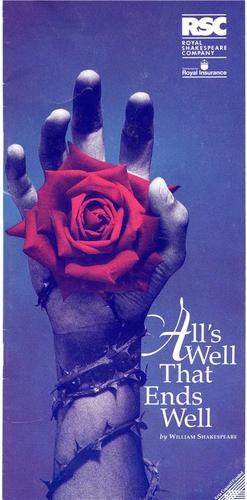
节目册封面:
2013年04月09日 12点04分 19
level 12

[太阳]Toby on Bertram in ‘All’s Well that ends Well’
“Everyone said ‘Oh Bertram, why bother doing it? He’s an out and out shit’. You can make him into this wet fart if you try to get sympathy from an audience, or you can go for the sexy option. I wanted to tread down the middle and get people to understand him.”
Source: Exposure, Sunday Times, October 1993
“Sophie Thompson (Helena) and I joined the company late, and bonds of acting and friendship had already been formed. I felt very fresh from drama school and was aware that there were those who doubted whether I could do it or deserved it. That was a tough start but I ended up in a great company and benefited from being dropped in at the deep end. And I’m sorry if that sounds like waxing lyrical, but it’s actually genuine.”
“To pull that off was going to be pretty good, I knew, and I have to admit it took me the full two years to get to grips with it! A terribly difficult play to do, I started off trying to play Bertram for sympathy, but when the show moved to the Barbican I’d decided to just play him for what he was : he then became more sympathetic. Very strange - people just love a cad”
Source: Inheriting Theatre, Plays International, November 1994
“However hard you try, an audience will always dislike him. It was tough at first - but now I just do the job and take the flak”.
Source: Rising Star - Toby Stephens, London Evening Standard Magazine,1994
“Surely the most difficult part Shakespeare ever wrote because he has no redeeming features whatsoever and audiences come out despising him, so I just went for the sexy option and played him as an out and out shit.”
Source : All in the Cut of his Genes, The Herald (Glasgow) 1994
Toby on Peter Hall:
“He gets lost of stick, but it’s a precise method of working that makes Shakespeare very clear.”
Source: Inheriting Theatre, Plays International Nov 1994
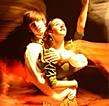
2013年04月10日 09点04分 20
level 12

[太开心]中文(小潜艇兵翻译):
托比谈《终成眷属》中的勃特拉姆
“每个人都说‘哦,勃特拉姆,你为什么要演他?他是个彻头彻尾的混蛋(原文中是shit,大家可以自己理解。我觉得汉语里的任何词都表达不出shit在此处的确切意义)’。如果你想从观众那儿博取同情你就把他演成一个讨人嫌的家伙,或者也可以把他演得性感无比。我希望踏在两者中间,让人们理解他。”
来源:Exposure,《星期日泰晤士报》,1993年10月
“苏菲·汤普森(饰演海丽娜)和我很晚才加入剧团,(在此之前演职人员之间)表演上的联系和友谊的纽带已经形成了。我刚从戏剧学院出来觉得很新鲜,同时也意识到有些人怀疑我能不能演好或者配不配演这个角色。开始的时候很艰难,但是在这个伟大的剧团中最终我完成得很好,而且从中受益颇多。很抱歉这听上去像是喋喋不休地抒情,但是事实就是这样。”
“我知道做到这一点会相当不错,我也必须承认我花了整整两年来完全掌握这一角色!这是个非常难的剧本,我一开始想把勃特拉姆演得让人同情,但是当转场到巴比肯剧院演出的时候,我决定就按照他本来的样子演:然后他变得更讨人喜欢了。很奇怪——人们喜欢一个无赖。”
来源:Inheriting Theatre, Plays International,1994年11月
“无论你多努力,总会有观众不喜欢他。一开始很艰难——但现在我就是做好工作,接受这些批评。”
来源:《后起之秀——托比·斯蒂芬斯》,《伦敦标准晚报》杂志,1994年
“这肯定是莎士比亚写过的最难(演)的角色,因为他没有任何可取之处,观众都会鄙视他。所以我就选择用性感的方式把他演成一个彻头彻尾的混蛋。”
来源:《所有的一切都是他与生俱来的(All in the Cut of his Genes)》,《先驱报》(格拉斯哥),1994年
2013年04月10日 09点04分 21
level 12

[太阳]1993 : Wallenstein
This production performed at the Barbican Pit.
Nicholas de Jongh wrote in the Evening Standard on 20 September 1993 that “it is a sign of our theatrical xenophobia that Schiller’s Wallenstein, written by the greatest tragic dramatist between Racine and Ibsen, should be receiving its British professional premiere almost 200 years after it was written.”
Set within the grim confines of the Thirty Years War, when 17th Century Europe was rent asunder, Wallenstein is the Catholic Emperor’s commander who aspires to negotiate a secret peace with the Protestant insurgents but locks horns with the devious Lieutenant General Octavio. Amidst this, Octavio’s son is fatally smitten by Wallenstein’s daughter and torn between love and loyalty to the Emperor, of which de Jongh says “Toby Stephen’s arresting Octavio, all frayed nerve-endings and tremulous grief, is this memorable play’s true casualty.”
Malcolm Rutherford wrote in the Financial Times on 20 September 1993 that “Above all, there is some superb playing between Philip Voss as Piccolomini, the officer who betrays Wallenstein, and Toby Stephens as the Piccolomini son whose loyalties are divided.”
Finally, Martin Hoyle wrote for the Mail on Sunday on 19 September 1993, that “young Toby Stephens displays his share of frailly talent as a dashingly tragic idealist.”
And Toby said of his role as the lovesick idealist who falls for a general’s daughter “people go for the obvious”.
2013年04月10日 11点04分 22
level 12

[太开心]中文(小潜艇兵翻译):
1993
:华伦斯坦
这部戏在巴比肯剧院上演。
Nicholas de Jongh在1993年9月20日的《标准晚报》上写道:“这是我们戏剧排外心理的标志,《华伦斯坦》,这部由处于拉辛(法国剧作家——译者注)和易卜生之间的最伟大悲剧作家席勒(德国18世纪著名诗人、哲学家、历史学家和剧作家——译者注)写作的作品,在它完成的近200年后才首次被搬上英国的专业舞台。”
这部戏设定在三十年战争(1618年-1648年,由神圣罗马帝国的内战演变而成的全欧参与的一次大规模国际战争)的背景下。17世纪的欧洲四分五裂,华伦斯坦(Wallenstein)是信奉天主教的(神圣罗马帝国的)皇帝的指挥官,他希望和新教叛乱分子进行秘密和谈,但是与阴险的中将奥克塔维奥(Octavio)发生了冲突。在这期间,奥克塔维奥的儿子被华伦斯坦的女儿打成重伤(好彪悍的女儿- -),并且在爱情和对皇帝的忠诚之间纠结。de Jongh对此说道:“托比·斯蒂芬斯逮捕奥克塔维奥,所有紧张的神经末梢和颤栗的伤痛,是这部令人难忘的戏的真正的损失(casualty)。”(这儿应该是个双关——伤亡&损失,我翻不出来了

马尔科姆·卢瑟福在1993年9月20日的《金融时报》上写道:“最重要的是,在扮演背叛了华伦斯坦的军官皮科洛米尼(Piccolomini)的Philip Voss和扮演皮科洛米尼的那个忠诚被分成几份的儿子的托比·斯蒂芬斯之间有极精彩的对手戏。”
最后,马丁·霍伊尔在1993年9月19日的《星期日邮报》上写道:“年轻的托比·斯蒂芬斯在演绎精力充沛的有悲剧色彩的理想主义者的时候,展示出了他的天赋。”
“young Toby Stephens displays his share of frailly talent as a
dashingly tragic idealist.”(“frailly talent”这块儿MS语法有问题,副词修饰名词了,意思我搞不明白。)
托比把他自己的角色评价为一个为情所困的理想主义者,他爱上了一个“人人都会喜欢的”将军的女儿。
2013年04月10日 11点04分 23
level 12

[太阳]1994 : Unfinished Business
This RSC production was first performed at the Pit on 12 January 1994 to less than spectacular reviews, though Toby did receive some good notices. Set in a nursing home, and played out partly in flashback, Toby played the 17 year old Beamish.
John Gross wrote on 23 Jan 1994 for the Sunday Telegraph of a “striking performance frm Toby Stephens as the young Beamish” whilst Irving Wardle for the Independent on Sunday (13 Jan 1994) wrote of Toby that “the upstairs-downstairs relationship of Toby Stephens (Beamish) and Monica Dolan (Feebs) is a triumph of performance over material”.
Neil Smith for What’s On (26 Jan 1994) wrote “Gemma Jones and Toby Stephens (as convincing a shit as one would ever hope to meet) are excellent” and Jane Edwardes for Time Out on the same day wrote “Toby Stephens as the young Beamish brilliantly combines an arrogance and vulnerability”.
Nicholas de Johngh for the Evening Standard (20 Jan 1994) says “Toby Stephens as his younger self, is the model of the romantic young thing gone rotten” whilst John Peter for the Sunday Times on 23 Jan 1994 simply describes Toby as “mad eyed”!
David Nathan on 28 Jan 1994 for the Jewish Chronicle describes Toby’s portrayal of displaying “the deep, humourless commitment of the fanatic”. Whilst Michael Coveney for the Observer on 23 January 1994 writes “We cut to war-time and the 17 year old Beamish, explosively childish and cleverly played by Toby Stephens” and goes on to say “Stephens movingly conveys the anguish of forbidden love in the class war” and concludes “Voss and Stephens have the best scene, a fraught encounter on the brink of despair and suicide, which echoes their highly charged slanging matches in Schiller’s Wallenstein”.
But the last word must go to Jack Tinker who on 21 January 1994 wrote in the Daily Mail, “That ever more rising star Toby Stephens, as the son, captures exactly that impossibly bling romanticism which goes hand in hand with jackboot extremism..” Rising star indeed, as can be seen by his next venture…coming here soon….
2013年04月10日 11点04分 24
1 2 尾页